A genuinely successful social media marketing campaign is defined by a measurable business outcome over a defined period — lower cost per lead, higher lead volume or better conversion rate — not reach, impressions or follower growth alone. Top agencies structure every campaign around a baseline, a specific creative and targeting approach, and a reported result you could verify if you asked, rather than a vague "brand awareness" claim.
What Separates a Successful Campaign From a Vanity One
Reach and impressions describe how many people saw something; they say nothing about whether the campaign moved the business forward. A successful campaign is judged against a specific, pre-agreed metric — cost per lead, number of qualified leads, conversion rate, or direct revenue — measured over the campaign's actual run.
What a Real Case Study Should Show
- Baseline: What the metric looked like before the campaign started
- Approach: The specific creative, targeting and platform mix used, not just "we ran Facebook ads"
- Budget and duration: What was actually spent, over what period
- Result: A measurable before/after number, not a single upward-trending screenshot with no context
If an agency's "case study" is a graphic with a big percentage and no baseline attached, treat it as marketing material, not evidence.
A Verified Real Estate Example
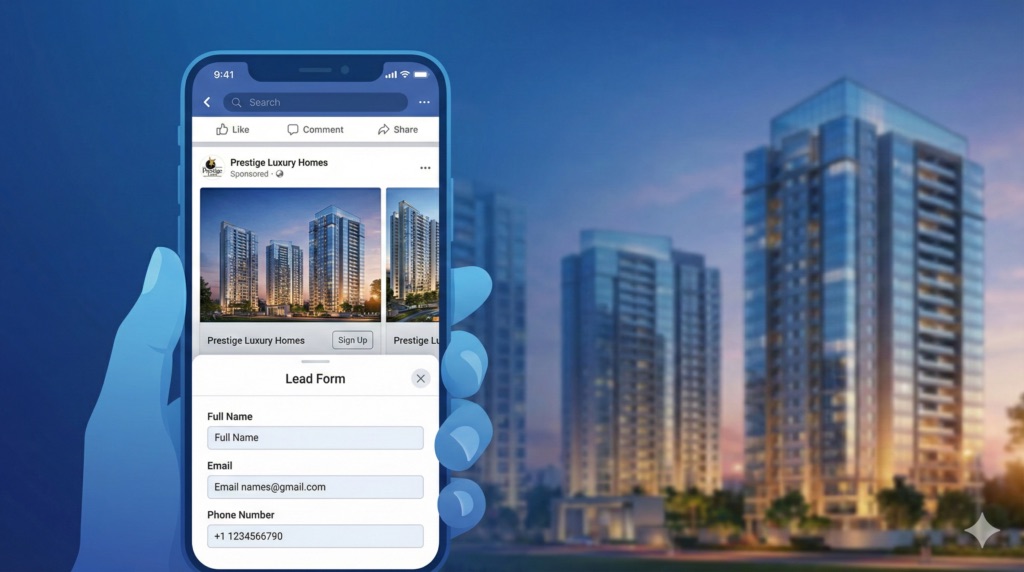
Real, published campaign result: A Meta Ads plus dedicated landing page campaign for a Pune residential project brought cost per lead down from ₹220 to ₹74 within 45 days, with all units at the project sold out within the campaign period. A separate real estate client saw ROAS improve from 1.4x to 3.8x after a Meta Ads account restructure. Both are attributed, verified RS Web Solutions campaign results, published on our
Results & Case Studies page — cited here as a concrete example of what a real case study looks like, not a promise of identical results for every business.
Where Organic Content Fits Into a Successful Campaign
Organic posts rarely drive lead volume on their own at scale, but they play a real role: building the audience trust and page credibility that makes a stranger more willing to click a paid ad from an account that already looks active and legitimate. Top agencies treat organic and paid as one funnel, not two separate services.
How to Verify a Campaign Result Before You Believe It
Ask for a reference call with the actual client, or ask to see the underlying ad account reporting rather than a static screenshot. A confident agency accommodates this without hesitation; reluctance here is worth noting as you compare options.
Want a Campaign Built and Reported This Way?
Get a free consultation on a social media campaign with a real measurable target, not a vanity metric.