The best strategy for choosing an SEO services provider is to evaluate them the way you'd evaluate a business partner, not a vendor filling a checklist — starting with clear goals, verified results with past clients, an honest methodology explanation, and contract terms that don't lock you in before trust is earned. SEO is a multi-month relationship, not a one-time purchase, and most bad outcomes trace back to skipping this evaluation and picking on price or a slick pitch alone.
This guide walks through the practical strategies that actually separate a good SEO provider from a risky one, in the order you should apply them — before you sign anything.
1. Define Your Goals and Scope Before You Talk to Anyone
Walking into provider conversations without a clear goal is the single most common mistake businesses make. "Get more traffic" is not a goal — it's a wish. Before you evaluate anyone, get specific about what you actually need:
- What does success look like? More qualified leads, more direct bookings, higher revenue from organic traffic — not just higher rankings for their own sake.
- What's the real scope? Technical audit only, full on-page and content overhaul, ongoing link building, local SEO, or all of the above.
- What's your realistic budget range? Knowing this upfront helps you evaluate whether a provider's proposal is scoped honestly or padded to hit a number.
A provider worth hiring will ask you these same questions before quoting a number — if they quote a price on the first call without understanding your business, that's already a signal.
2. Check Whether They Practice What They Sell
An SEO provider's own website and rankings are the most honest case study available, and you don't need their permission to check it. Look at:
- Do they rank organically for their own core service keywords, or do they rely entirely on paid ads to get found?
- Is their own site technically sound — fast, mobile-friendly, clean structure?
- Does their content read like it was written by someone who understands SEO, or is it generic and keyword-stuffed?
This isn't a perfect test — some excellent specialist providers intentionally don't compete for broad national keywords — but a provider that can't get their own site right is a legitimate concern.
3. Ask for Real Case Studies and Verifiable Client References
Ask specifically for examples in your industry or a comparable one, and push past logos on a slide. A genuine case study should show a starting point, what was actually done, and a measurable outcome over a defined period — not just a screenshot of a rankings graph trending up with no context.
Better yet: ask to speak directly with one or two current clients. A provider confident in their work will connect you; hesitation here is worth noting.
4. Understand Their Methodology — and Watch for Black-Hat Shortcuts
This is where most bad hires get caught out later, not earlier. Ask direct questions about how they actually do the work:
- Link building: Where do backlinks come from? Vague answers ("we have a network") are a red flag for private blog networks or paid link schemes that risk a Google penalty.
- Content: Is content written specifically for your site, or lightly adapted from a template used across many clients?
- Technical work: Can they explain, in plain language, what a typical technical fix looks like and why it matters?
If an explanation feels evasive or overly vague, that vagueness is usually hiding either a lack of real expertise or a tactic they know wouldn't survive scrutiny.
5. Check Their AEO Competence (Answer Engine Optimization)
Search no longer ends at ten blue links. Featured snippets, "People Also Ask" boxes and voice assistant answers all pull from a different set of signals than a classic ranking does, and most agencies still selling "SEO packages" haven't updated their process for it. Don't accept "we do AEO" as an answer — ask them to show it:
- FAQPage and Article schema implemented correctly and validating clean in Google's Rich Results Test — not copy-pasted generic schema that doesn't match the page content.
- Content structured around real questions — headings phrased as the exact questions users ask, followed immediately by a direct, quotable answer in the first sentence or two.
- Featured snippet or "People Also Ask" wins they can show you from past client work, with before/after screenshots.
- Voice-search awareness — conversational, natural-language phrasing rather than robotic keyword stuffing.
6. Check Their GEO Competence (Generative Engine Optimization)
This is the newest layer, and the one most agencies fake convincingly. Push past the buzzword and ask concretely:
- Do they know what an
llms.txt file is and can they explain why it matters for AI crawlers? A blank stare here is disqualifying for a 2026 provider.
- Do they work on third-party citations — genuine digital PR, expert quotes, Wikipedia-eligible mentions, Reddit/Quora presence, review platforms — the exact sources large language models pull from when forming an answer? GEO isn't won on your own site alone; it's won by how consistently your brand is described across the web.
- Do they optimize for entity clarity — consistent business name, description and facts about you across your site, Google Business Profile, LinkedIn and directories, so AI models don't get conflicting signals about who you are?
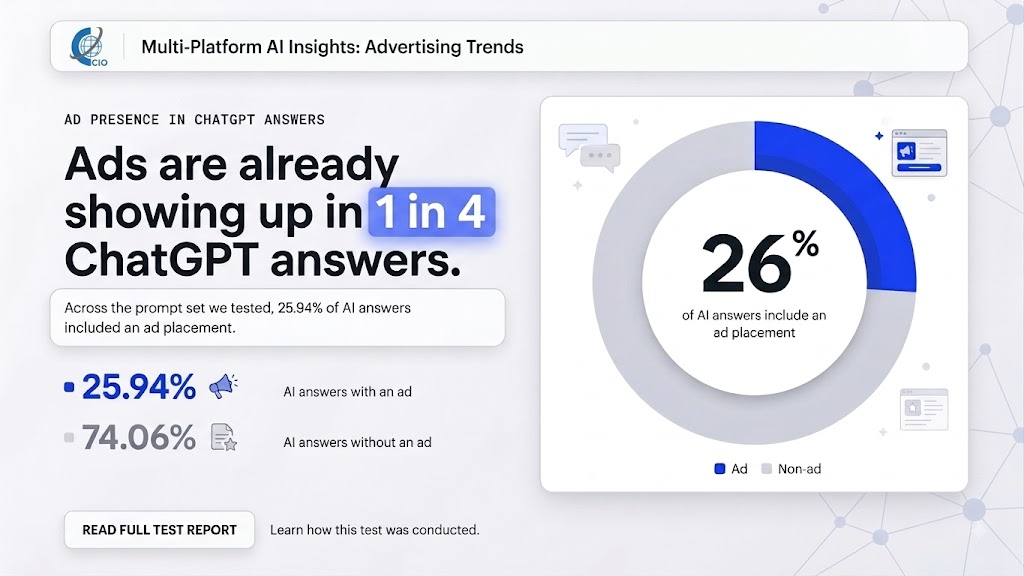
- Can they show a real AI citation — a screenshot of a client's brand being mentioned inside a ChatGPT, Perplexity or AI Overview response, not just a ranking screenshot?
- Do they track AI visibility at all, using prompt-testing or an AI-citation monitoring approach, or are they only reporting classic keyword rank?
If a provider has no answer for GEO beyond "we also do that," treat their SEO-only quote as what you're actually buying, and price it accordingly.
7. Evaluate Communication and Reporting Transparency
Ask to see a sample monthly report before signing anything. A report worth paying for explains what changed, why, and what's planned next — not just a rankings screenshot with no narrative. In 2026, a report worth paying for tracks three layers separately: classic keyword rankings, answer-box/featured-snippet wins, and AI citation visibility. Also clarify upfront:
- How often will you actually talk to a real person, not just receive an automated report?
- Will you have one consistent point of contact, or does your account get reassigned as the agency scales?
- Do they proactively flag when something isn't working, or only report the wins?
8. Compare Pricing Models, Not Just Numbers
SEO providers typically price one of a few ways, and each comes with different incentives:
| Pricing Model | How It Works | Watch For |
|---|
| Fixed Monthly Retainer | Flat fee for an agreed scope of ongoing work | Vague scope that shrinks quietly over time |
| Project-Based | One-time fee for a defined deliverable, like an audit | No plan for what happens after the project ends |
| Hourly Consulting | Billed by time, common for expert-led strategy work | Unclear estimate of total hours needed |
| Performance-Based | Fee tied to rankings or traffic milestones | Incentivizes vanity rankings over real business results |
The cheapest quote is rarely the best value once you account for what's actually included. A well-scoped retainer that's transparent about deliverables usually outperforms a bargain price with an unclear scope.
9. Check Industry and Niche Experience
SEO fundamentals are universal, but real estate, healthcare, e-commerce and local service businesses each have distinct search behavior, compliance considerations and content needs. A provider with genuine experience in your category will ask sharper questions in the first meeting and won't need to relearn your market from scratch on your budget.
You don't need to become an SEO expert yourself, but knowing whether a provider uses professional-grade tools (rank tracking, technical audit, backlink analysis platforms) versus free, limited tools tells you a lot about how rigorous their process actually is. Ask what tool informed a specific recommendation — a provider who can answer specifically is working from data, not guesswork.
11. Review Contract Terms Before You Sign
Read the exit terms as carefully as the deliverables. Reasonable contracts typically include:
- A defined initial term (commonly 3-6 months) rather than an indefinite lock-in
- A clear notice period to exit after the initial term, not a long, hidden auto-renewal
- Ownership of your own website changes, content and any accounts created on your behalf — not held hostage if you switch providers
12. Set Realistic Expectations on Timeline
Be skeptical of anyone promising fast, dramatic results for competitive keywords. A credible provider will tell you that technical and on-page fixes often show early movement within 6-8 weeks, while meaningful ranking gains for competitive terms typically take 4-6 months of consistent work. That honesty about pace is itself a good sign — it means they're not overselling to close the deal.
Red Flags Checklist
Walk away if a provider: guarantees a #1 ranking, quotes a price before reviewing your site, can't explain their link building sources, shows only rankings screenshots with no context, pressures you into a long contract with no exit clause, or can't name a single specific tool they use for tracking or audits.
Questions Worth Asking Before You Sign
- Can you show me a redacted report and case study from a client in a similar industry?
- Who exactly will be working on my account, and will that person change over time?
- What's your process for link building, specifically?
- What's realistic for my category and timeline, and what happens if targets slip?
- What happens to my content, backlinks and accounts if I leave after the contract ends?
Want a Provider That Answers All of This Clearly?
Get a straight, no-guarantee-gimmicks read on your SEO from a Gurgaon-based team that's happy to answer every question on this list.